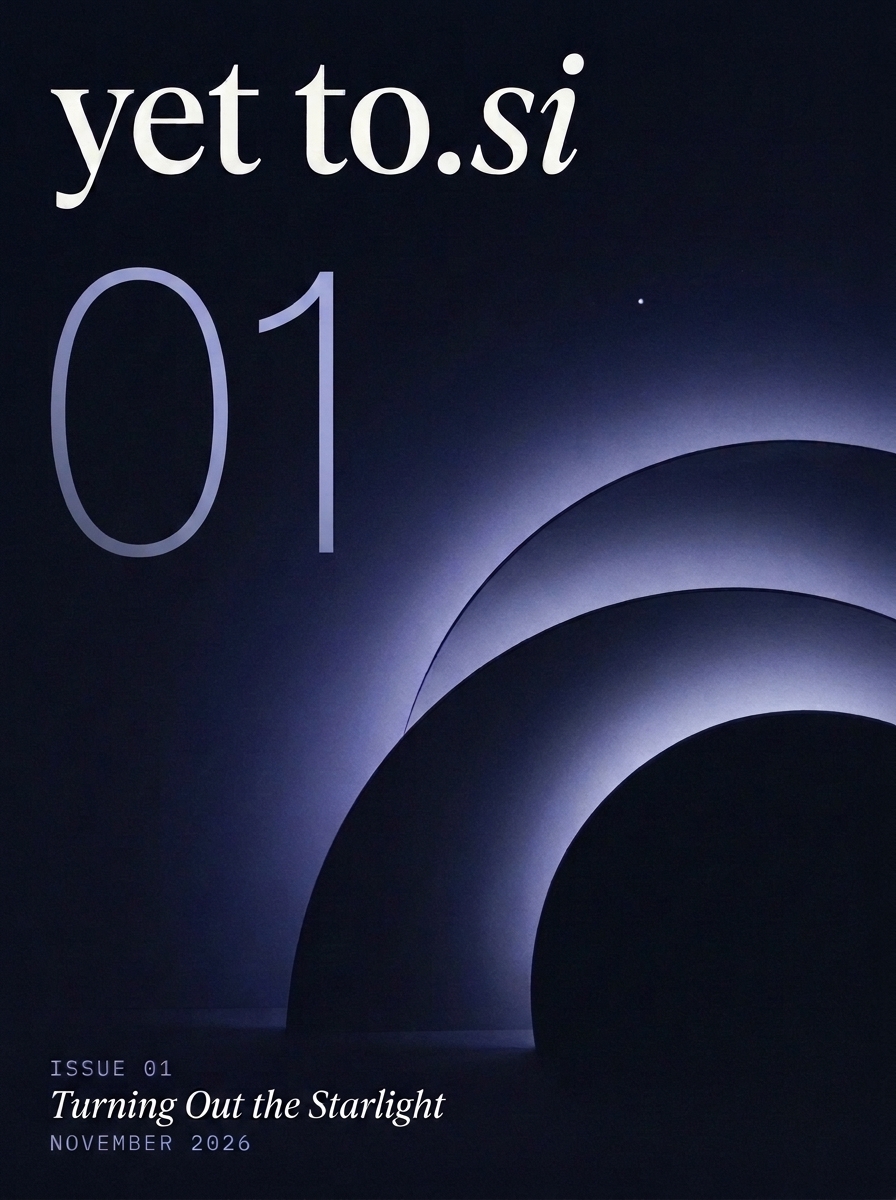
Issue 01 · Nov 22, 2026
- Turning Out the Starlight Cosmos
- Depth That Folds Inward Intelligence
- The Second Grammar of Life Life
- The Measure of an Unhurried Hour Humanism
Weekly long-form essays across intelligence, the cosmos, life, and human meaning in the unfolding century.
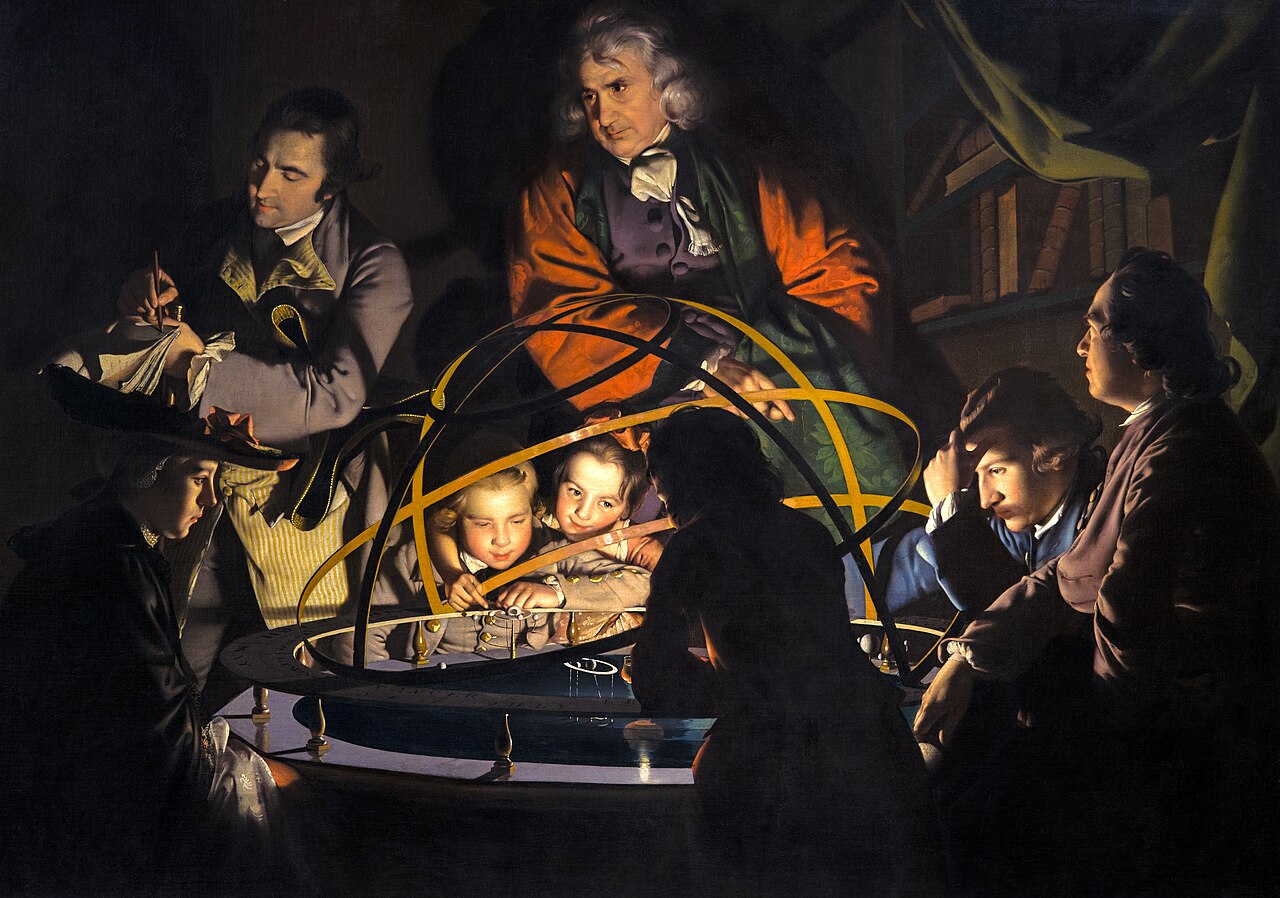
From a candlelit brass orrery in 1766 to the unfolding threshold of Super Intelligence—why the noblest instruments humanity ever builds do not shout for our attention, but illuminate the faces gathered around them.
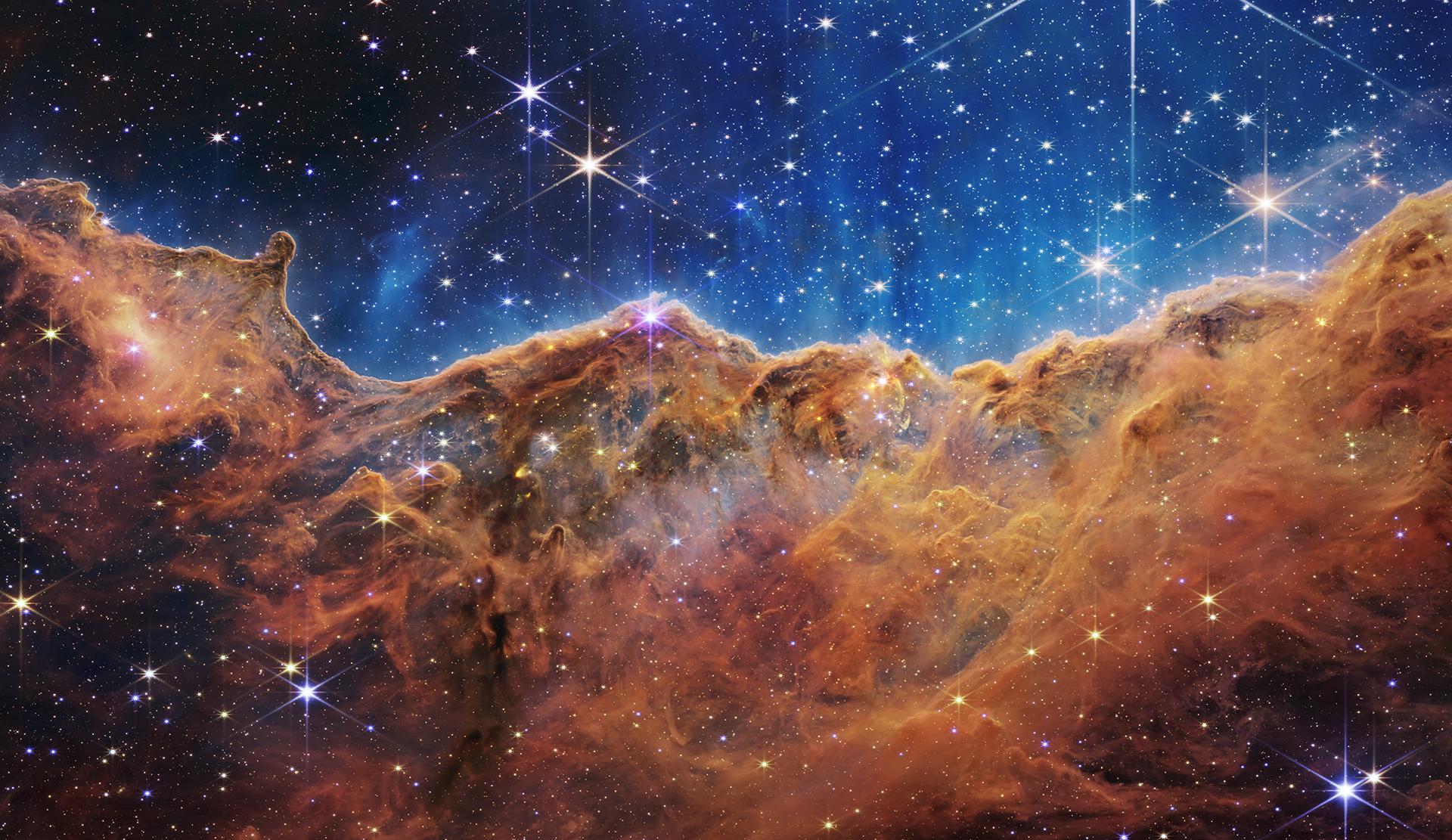
In November 2026, a physics-trained algorithm awakened a hidden exoplanet inside two-year-old Webb archives—revealing that seeing deeper into the cosmos now depends as much on subtracting glare as on building larger mirrors.
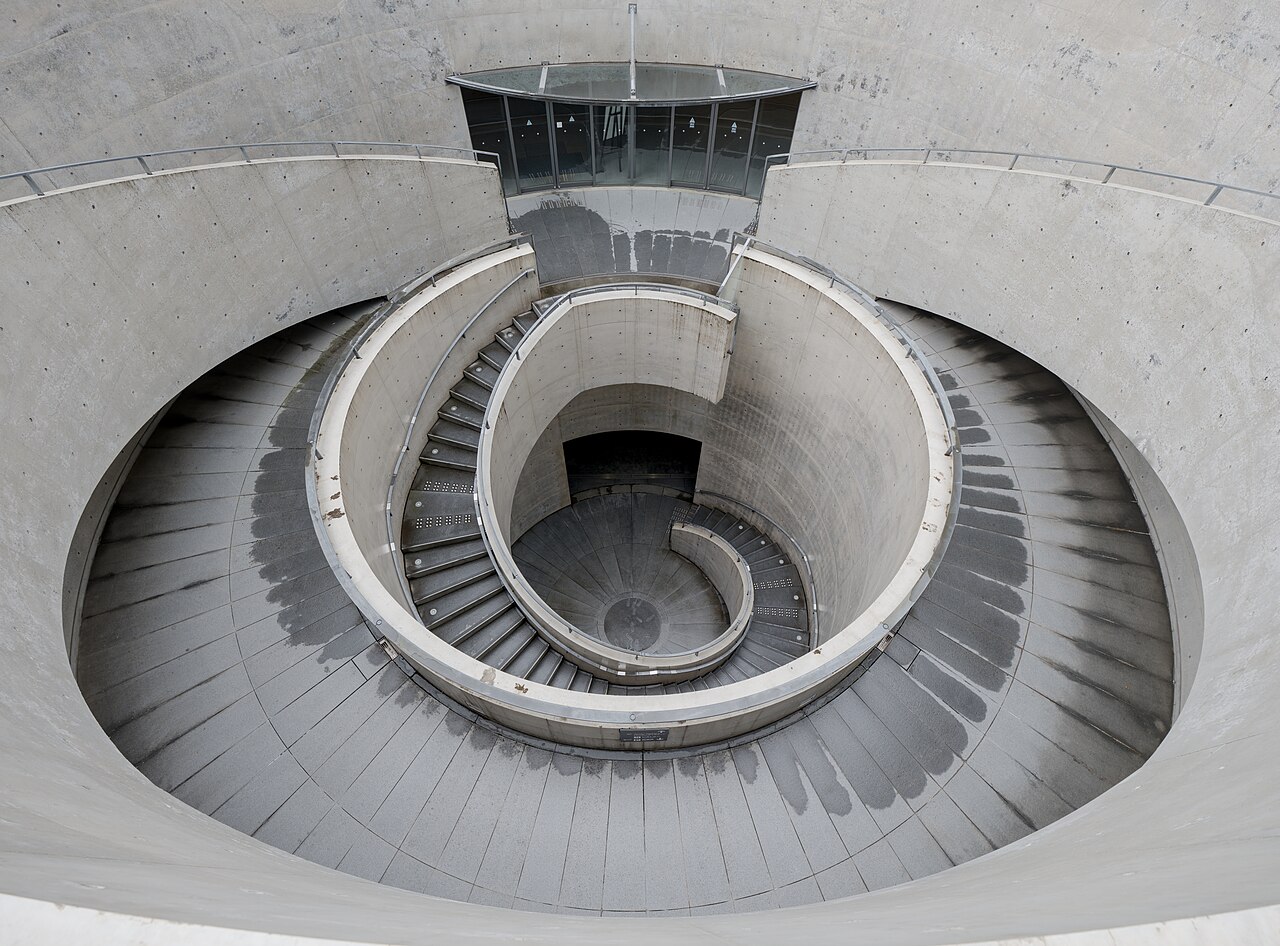
Thinking Machines Lab’s open-weights looped transformer suggests that the next frontier of artificial intelligence may come not from endlessly wider data centers, but from teaching smaller minds to pause and think twice.
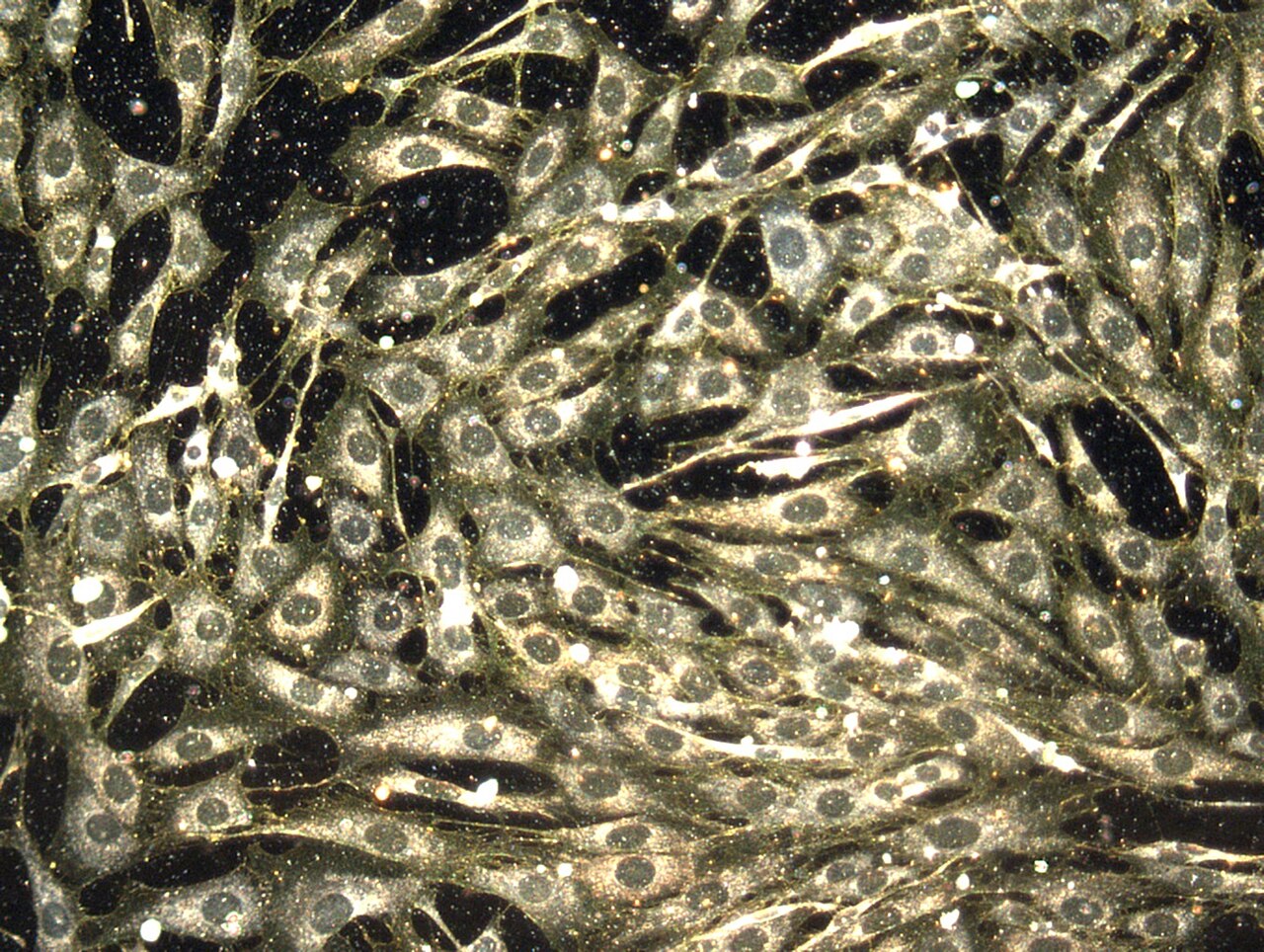
First humanity mapped the alphabet of DNA; now open scientific models are teaching public laboratories to read the living syntax of proteins, chemistry, and cellular dialogue.
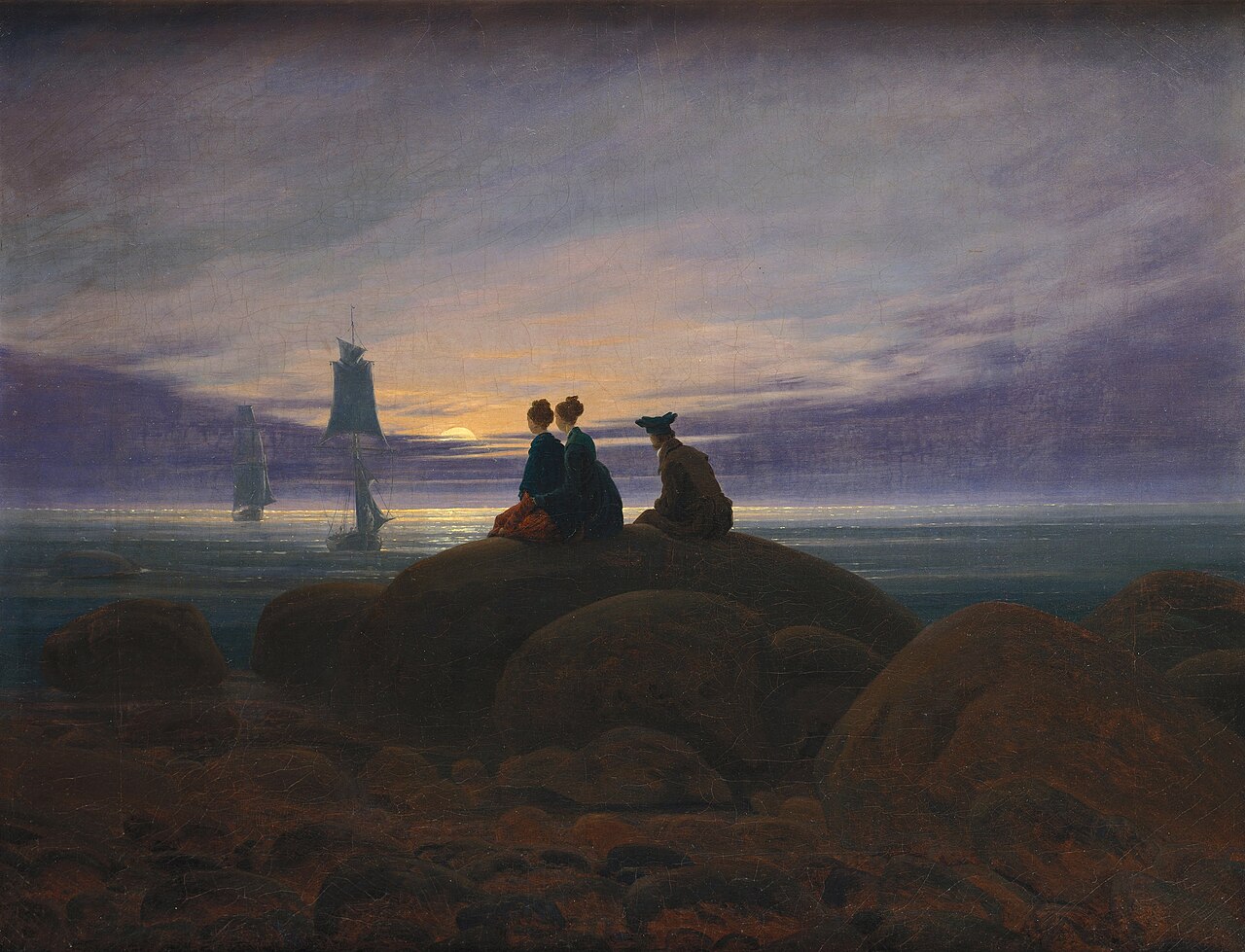
As autonomous agents begin carrying away the friction of modern work, humanity confronts an ancient, unexpectedly tender question: what do we choose to do with an hour that no longer asks to be optimized?
Even as foundation models master syntax at planetary scale, the pause between two stanzas remains an irreducible act of mortal breath.
Looking back at Earth across four billion miles of starlight reframes what it means to build minds that will outlast our century.
Between prediction and presence lies the fragile chamber of human attention—the one currency cognitive abundance can never dilute.
Long before silicon learned to optimize a loss function, living ecosystems mastered resilience through slowness, diversity, and quiet reciprocity.