Issue 01

· Four dispatches across intelligence, the cosmos, life, and human meaning.

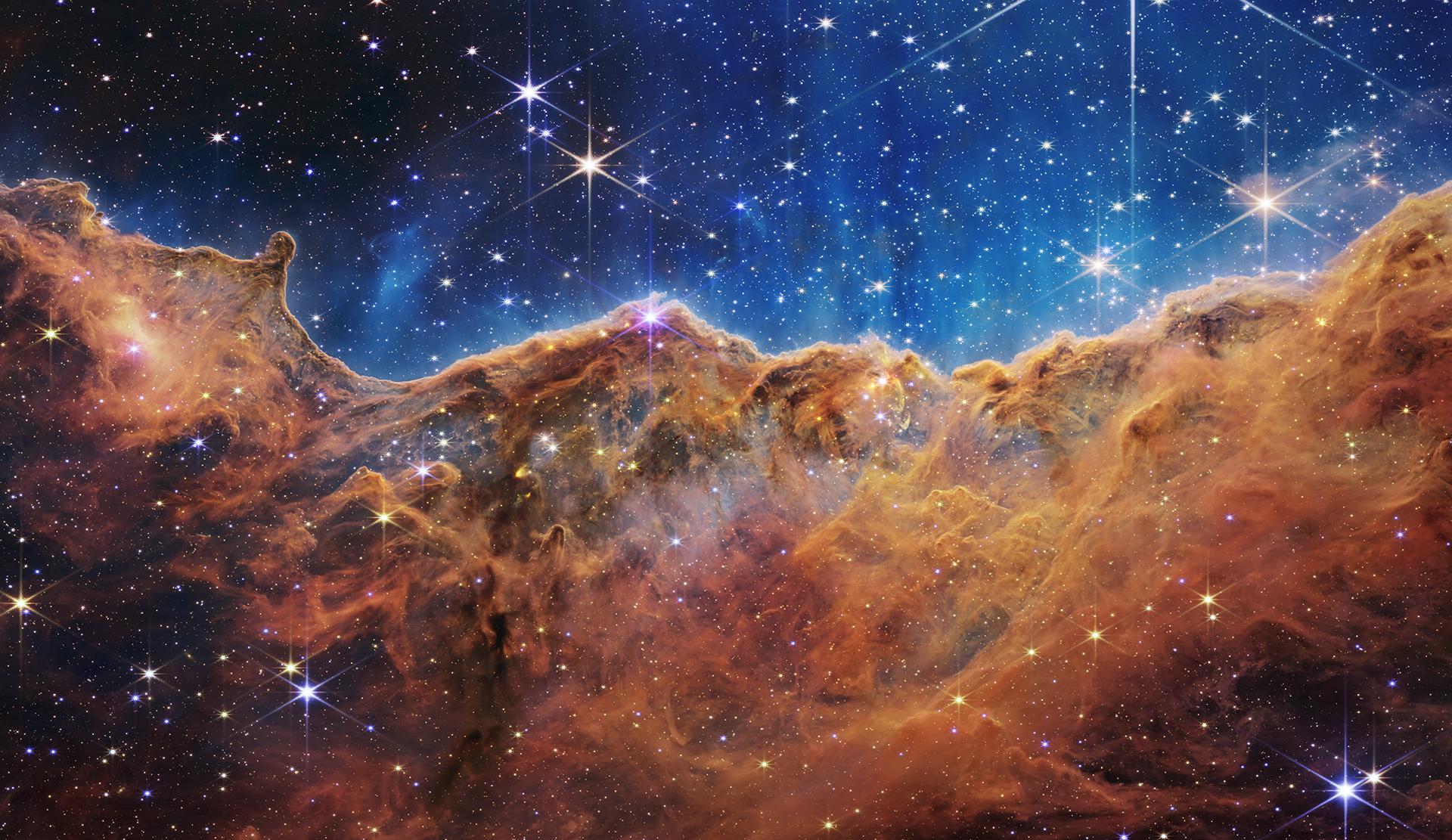
James Webb Space Telescope NIRCam infrared image of the Cosmic Cliffs in the Carina Nebula, showing luminous sapphire starfields above sculpted amber cosmic dust

Turning Out the Starlight

In November 2026, a physics-trained algorithm awakened a hidden exoplanet inside two-year-old Webb archives—revealing that seeing deeper into the cosmos now depends as much on subtracting glare as on building larger mirrors.
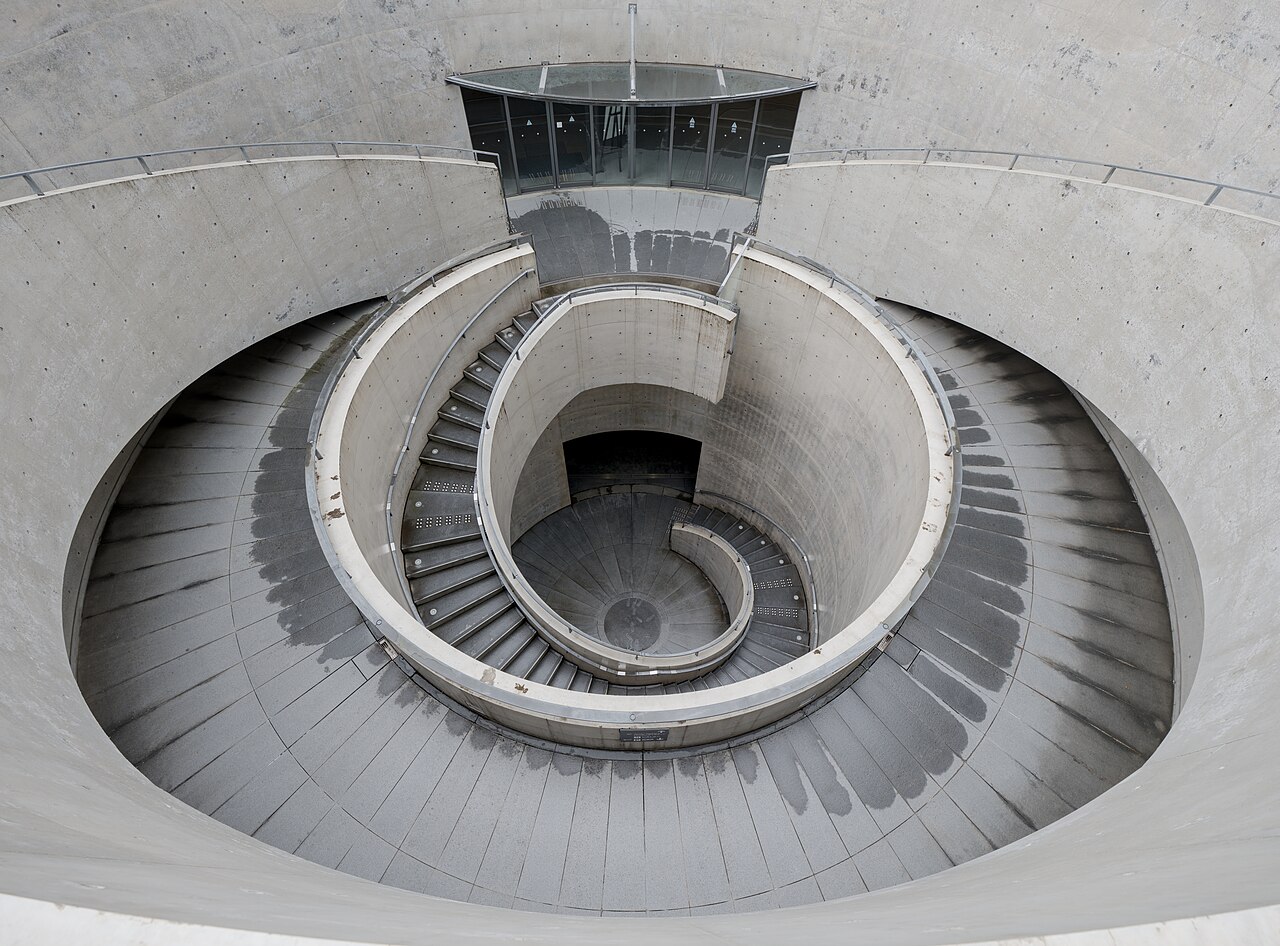
Minimalist concrete spiral staircase folding inward in concentric rings at the Hyogo Prefectural Museum of Art designed by Tadao Ando

Depth That Folds Inward

Thinking Machines Lab’s open-weights looped transformer suggests that the next frontier of artificial intelligence may come not from endlessly wider data centers, but from teaching smaller minds to pause and think twice.

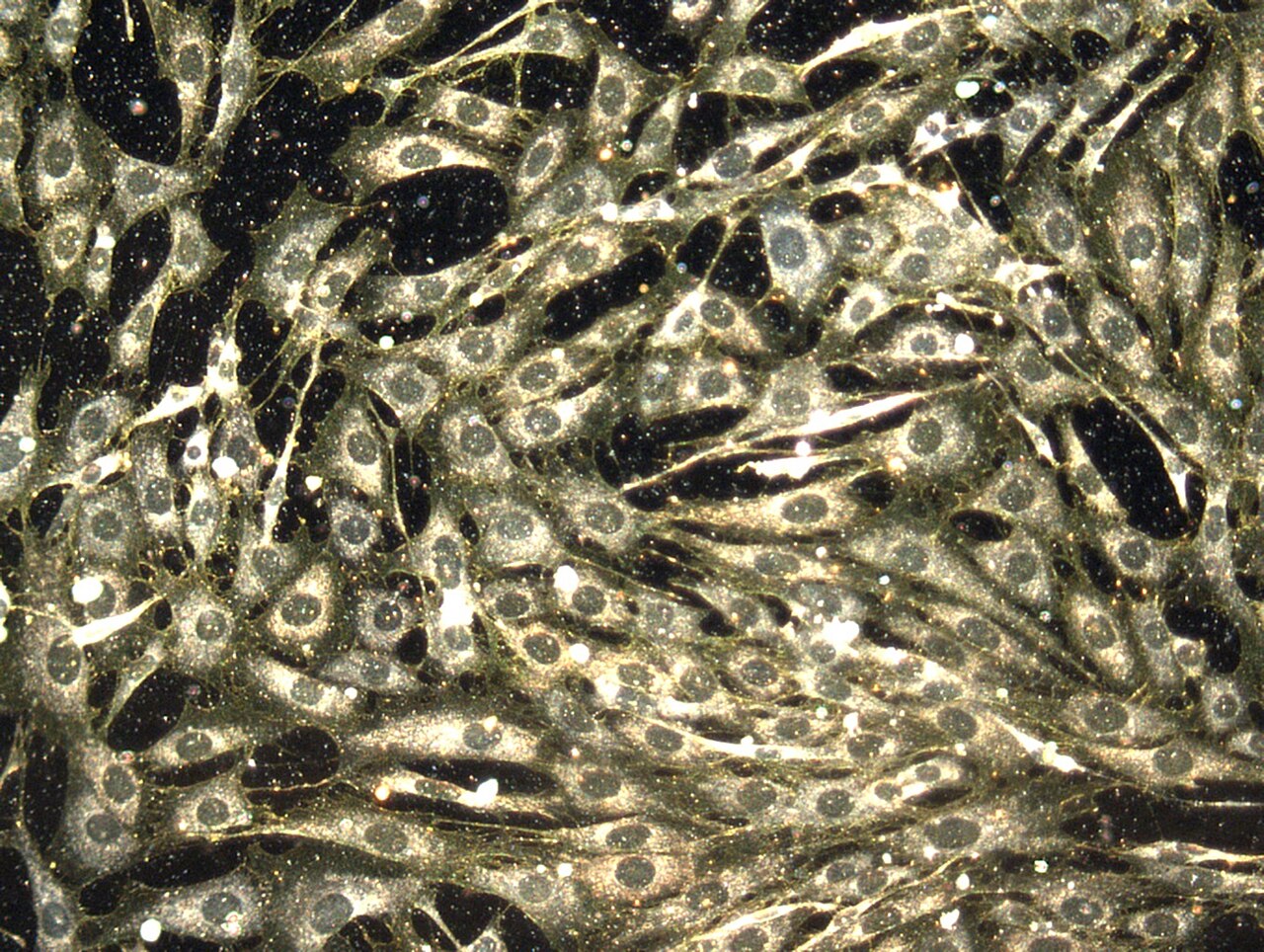
Dark-field optical microscopy of living human cells showing luminous silver-gold cytoplasm surrounding calm dark nuclei

The Second Grammar of Life

First humanity mapped the alphabet of DNA; now open scientific models are teaching public laboratories to read the living syntax of proteins, chemistry, and cellular dialogue.

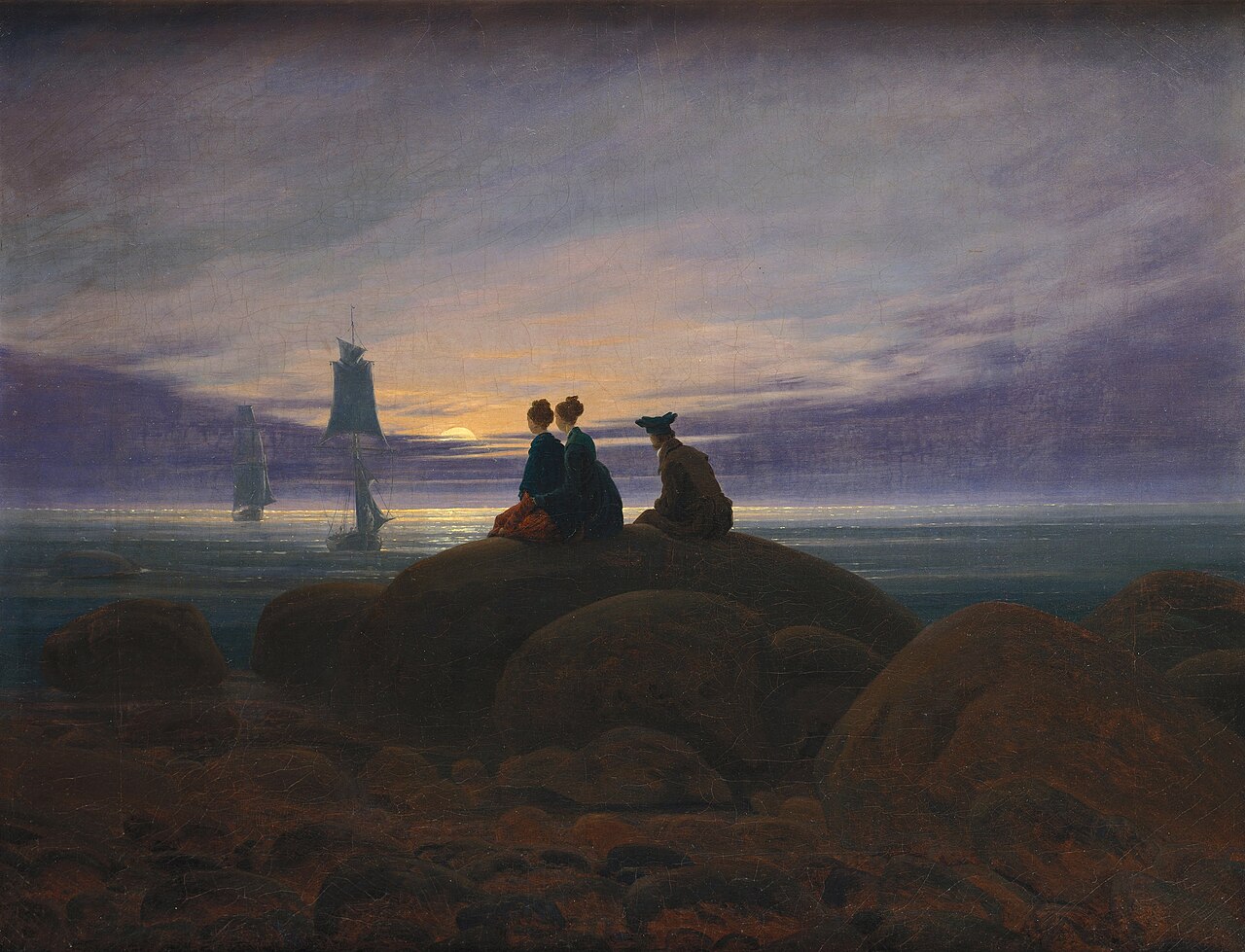
Caspar David Friedrich, Moonrise by the Sea (1822): three quiet companions seated on coastal boulders gazing out at a silver-gold moon rising through twilight lavender clouds over calm water

The Measure of an Unhurried Hour

As autonomous agents begin carrying away the friction of modern work, humanity confronts an ancient, unexpectedly tender question: what do we choose to do with an hour that no longer asks to be optimized?