The Meter of Tomorrow: Why Verse Outlives Every Algorithm
Even as foundation models master syntax at planetary scale, the pause between two stanzas remains an irreducible act of mortal breath.
Anyone who has watched a language model compose a flawless Shakespearean sonnet in half a second feels a brief, quiet vertigo. For centuries, meter and rhyme seemed like sacred proof of a solitary human pulse. Yet the vertigo passes the moment we ask what actually moved us in a great poem in the first place.
A poem is never just a pattern of stressed syllables; it is a wager made by a creature who knows its mornings are numbered. When Li Bai raises a cup toward the moon, or Emily Dickinson hears a fly buzz in a still room, the gravity of the line comes from stakes no immortal server can fake: hunger, weather, longing, and the fragile fact of having only one life in which to notice the light.
“A machine can generate ten thousand sunsets in a second, yet only a mortal eye knows why a single evening aches.”
Paradoxically, an era of effortless synthetic prose may trigger a quiet renaissance in real verse. Stripped of the pressure to sound merely fluent or clever, poets are returning to the spare, unhurried discipline of exact witnessing—writing lines slow enough to remember by heart on a dark walk home.
Continue Reading
Back to Front Page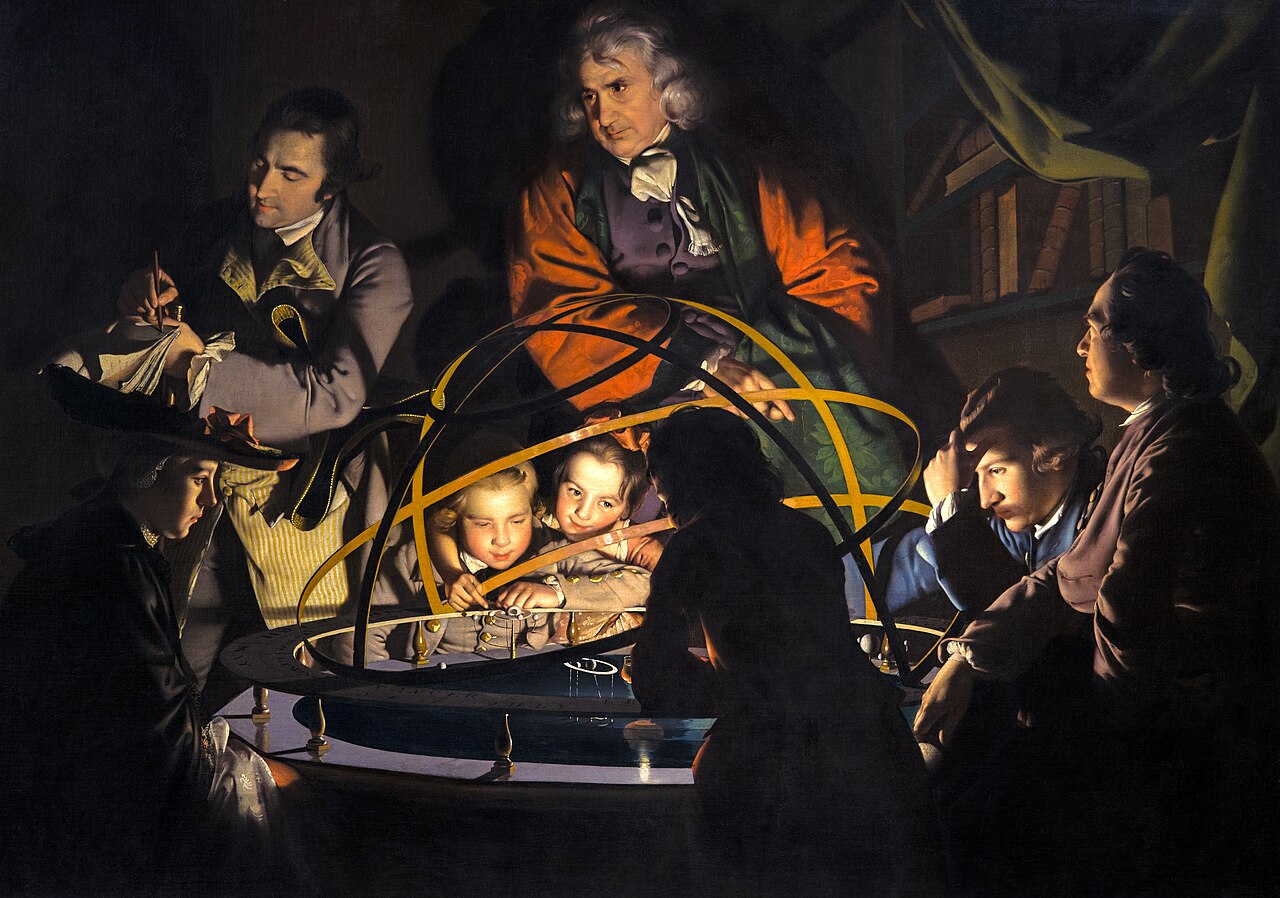
The Architecture of Quiet Intelligence
From a candlelit brass orrery in 1766 to the unfolding threshold of Super Intelligence—why the noblest instruments humanity ever builds do not shout for our attention, but illuminate the faces gathered around them.
Turning Out the Starlight
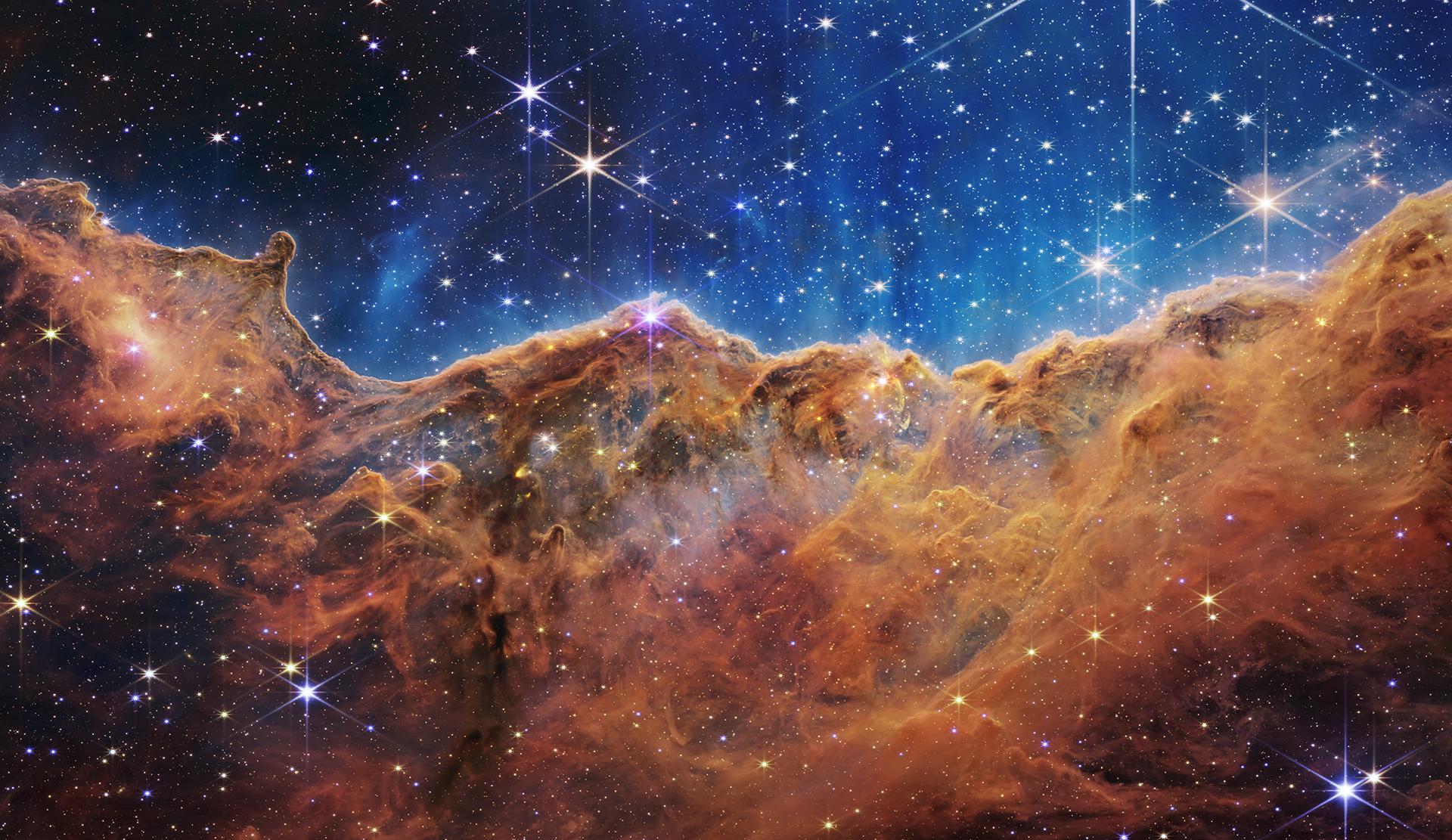
In November 2026, a physics-trained algorithm awakened a hidden exoplanet inside two-year-old Webb archives—revealing that seeing deeper into the cosmos now depends as much on subtracting glare as on building larger mirrors.