On the Quiet Scale of Deep Time
Looking back at Earth across four billion miles of starlight reframes what it means to build minds that will outlast our century.
In February 1990, Voyager 1 turned its camera backward from the edge of the solar system and captured Earth suspended as a single faint pixel inside a sunbeam. Thirty-six years later, as autonomous telescopes and neural interferometers begin tracing atmospheres around distant stars, that same pale blue stillness feels more urgent than ever.
Most debates about artificial intelligence suffer from claustrophobic timescales—measured in quarterly product launches and weekly benchmark races. Step outside under a clear winter sky, however, and the frame shifts dramatically. It took four billion years for stardust on this wet stone to assemble eyes capable of admiring the Milky Way, and another few millennia to teach silicon how to help decode the cosmos.
Stewardship at Astronomical Horizons
Viewed across deep time, Super Intelligence is neither an alien invasion nor a trivial software upgrade—it is the latest chapter in the universe learning to observe itself with greater care. Our responsibility is correspondingly simple and noble: to anchor these new instruments in patience, reverence for life, and the quiet clarity of the pale blue dot that gave them birth.
Continue Reading
Back to Front Page
The Architecture of Quiet Intelligence
From a candlelit brass orrery in 1766 to the unfolding threshold of Super Intelligence—why the noblest instruments humanity ever builds do not shout for our attention, but illuminate the faces gathered around them.
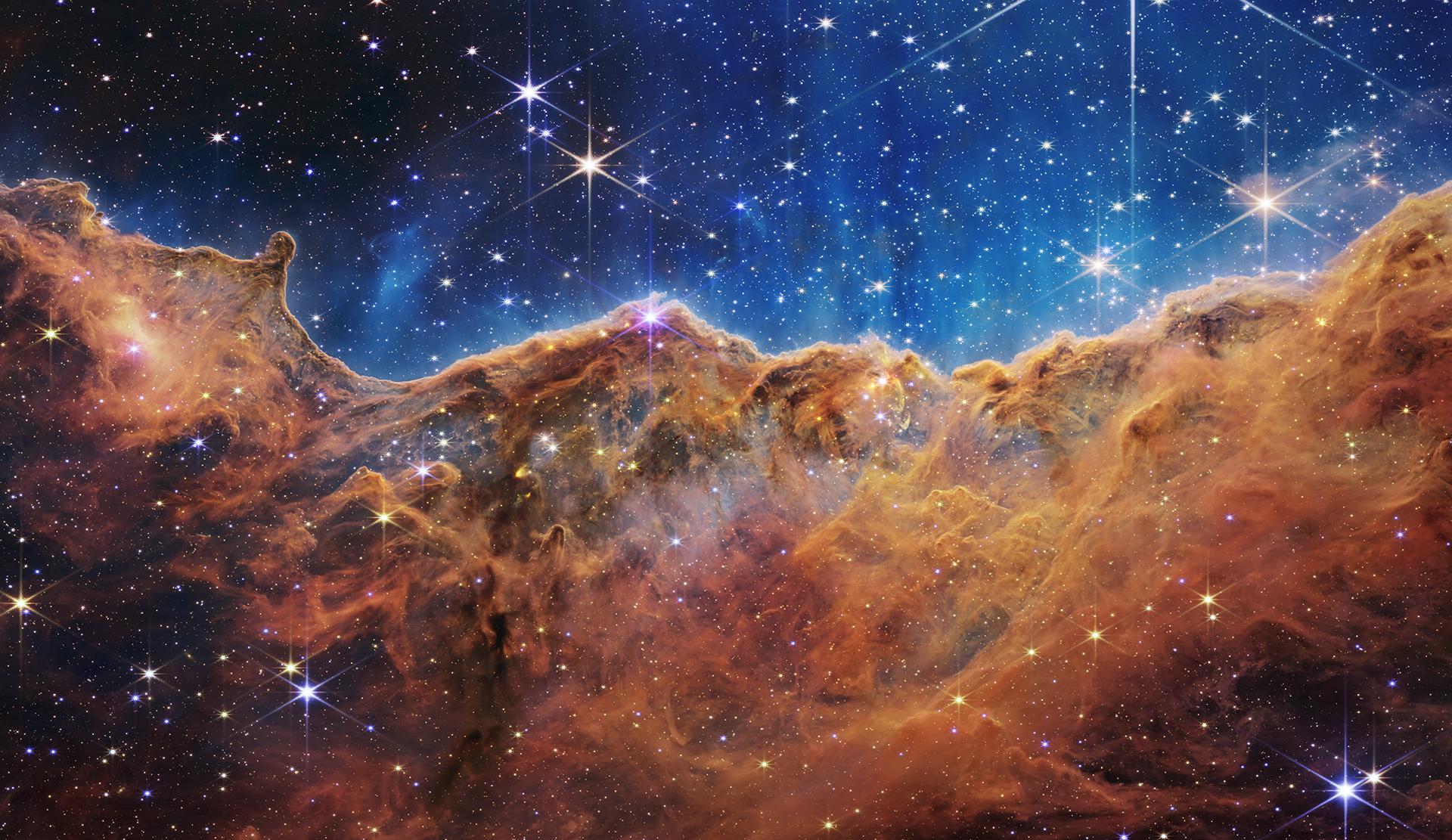
Turning Out the Starlight
In November 2026, a physics-trained algorithm awakened a hidden exoplanet inside two-year-old Webb archives—revealing that seeing deeper into the cosmos now depends as much on subtracting glare as on building larger mirrors.